Senin, 30 Mei 2011

[G358.Ebook] Download The Art of Aging: A Doctor's Prescription for Well-Being, by Sherwin B. Nuland

Download The Art of Aging: A Doctor's Prescription for Well-Being, by Sherwin B. Nuland

The Art Of Aging: A Doctor's Prescription For Well-Being, By Sherwin B. Nuland. Let's review! We will usually find out this sentence anywhere. When still being a children, mommy utilized to purchase us to constantly read, so did the instructor. Some books The Art Of Aging: A Doctor's Prescription For Well-Being, By Sherwin B. Nuland are fully checked out in a week and also we need the commitment to support reading The Art Of Aging: A Doctor's Prescription For Well-Being, By Sherwin B. Nuland What around now? Do you still like reading? Is checking out just for you which have responsibility? Never! We here supply you a brand-new e-book entitled The Art Of Aging: A Doctor's Prescription For Well-Being, By Sherwin B. Nuland to review.

The Art of Aging: A Doctor's Prescription for Well-Being, by Sherwin B. Nuland

The Art of Aging: A Doctor's Prescription for Well-Being, by Sherwin B. Nuland


The Art of Aging: A Doctor's Prescription for Well-Being, by Sherwin B. Nuland

Download The Art of Aging: A Doctor's Prescription for Well-Being, by Sherwin B. Nuland

Just how if your day is begun by checking out a book The Art Of Aging: A Doctor's Prescription For Well-Being, By Sherwin B. Nuland Yet, it is in your device? Everyone will constantly touch and us their gadget when waking up as well as in morning activities. This is why, we expect you to additionally review a publication The Art Of Aging: A Doctor's Prescription For Well-Being, By Sherwin B. Nuland If you still perplexed ways to obtain the book for your gizmo, you could follow the method here. As right here, we offer The Art Of Aging: A Doctor's Prescription For Well-Being, By Sherwin B. Nuland in this web site.

When some people looking at you while reviewing The Art Of Aging: A Doctor's Prescription For Well-Being, By Sherwin B. Nuland, you could really feel so happy. Yet, as opposed to other individuals feels you must instil in on your own that you are reading The Art Of Aging: A Doctor's Prescription For Well-Being, By Sherwin B. Nuland not due to that reasons. Reading this The Art Of Aging: A Doctor's Prescription For Well-Being, By Sherwin B. Nuland will certainly offer you more than individuals appreciate. It will certainly overview of understand greater than individuals staring at you. Even now, there are lots of resources to learning, reading a publication The Art Of Aging: A Doctor's Prescription For Well-Being, By Sherwin B. Nuland still becomes the first choice as a great means.

Why must be reading The Art Of Aging: A Doctor's Prescription For Well-Being, By Sherwin B. Nuland Once again, it will depend on exactly how you feel as well as think about it. It is surely that of the benefit to take when reading this The Art Of Aging: A Doctor's Prescription For Well-Being, By Sherwin B. Nuland; you could take a lot more lessons straight. Also you have actually not undertaken it in your life; you can gain the experience by reading The Art Of Aging: A Doctor's Prescription For Well-Being, By Sherwin B. Nuland As well as now, we will present you with the online book The Art Of Aging: A Doctor's Prescription For Well-Being, By Sherwin B. Nuland in this website.

What type of book The Art Of Aging: A Doctor's Prescription For Well-Being, By Sherwin B. Nuland you will prefer to? Currently, you will not take the published book. It is your time to obtain soft documents publication The Art Of Aging: A Doctor's Prescription For Well-Being, By Sherwin B. Nuland instead the published records. You can enjoy this soft data The Art Of Aging: A Doctor's Prescription For Well-Being, By Sherwin B. Nuland in at any time you expect. Even it remains in anticipated area as the other do, you can review guide The Art Of Aging: A Doctor's Prescription For Well-Being, By Sherwin B. Nuland in your gizmo. Or if you really want much more, you can keep reading your computer or laptop computer to obtain complete display leading. Juts find it right here by downloading the soft file The Art Of Aging: A Doctor's Prescription For Well-Being, By Sherwin B. Nuland in web link page.

The Art of Aging: A Doctor's Prescription for Well-Being, by Sherwin B. Nuland

In his landmark book How We Die, Sherwin B. Nuland profoundly altered our perception of the end of life. Now in The Art of Aging, Dr. Nuland steps back to explore the impact of aging on our minds and bodies, strivings and relationships. Melding a scientist’s passion for truth with a humanist’s understanding of the heart and soul, Nuland has created a wise, frank, and inspiring book about the ultimate stage of life’s journey.

The onset of aging can be so gradual that we are often surprised to find that one day it is fully upon us. The changes to the senses, appearance, reflexes, physical endurance, and sexual appetites are undeniable–and rarely welcome–and yet, as Nuland shows, getting older has its surprising blessings. Age concentrates not only the mind, but the body’s energies, leading many to new sources of creativity, perception, and spiritual intensity. Growing old, Nuland teaches us, is not a disease but an art–and for those who practice it well, it can bring extraordinary rewards.

“I’m taking the journey even while I describe it,” writes Nuland, now in his mid-seventies and a veteran of nearly four decades of medical practice. Drawing on his own life and work, as well as the lives of friends both famous and not, Nuland portrays the astonishing variability of the aging experience. Faith and inner strength, the deepening of personal relationships, the realization that career does not define identity, the acceptance that some goals will remain unaccomplished–these are among the secrets of those who age well.

Will scientists one day fulfill the dream of eternal youth? Nuland examines the latest research into extending life and the scientists who are pursuing it. But ultimately, what compels him most is what happens to the mind and spirit as life reaches its culminating decades. Reflecting the wisdom of a long lifetime, The Art of Aging is a work of luminous insight, unflinching candor, and profound compassion.


From the Hardcover edition.

  • Sales Rank: #330999 in Books
  • Brand: Nuland, Sherwin B.
  • Published on: 2008-05-06
  • Released on: 2008-05-06
  • Original language: English
  • Number of items: 1
  • Dimensions: 8.00" h x .80" w x 5.20" l, .71 pounds
  • Binding: Paperback
  • 336 pages

From Publishers Weekly
The septuagenarian surgeon whose brutally honest demythologization of death in How We Die garnered a National Book Award offers a mushier, platitude-filled treatise on aging, calling it a "gift" that establishes boundaries in our lives, making everything within those boundaries all the more precious. Brief, frank descriptions of droopy penises, declining hormone levels and loss of hearing and bone density are accompanied by reminders that stroke is not a normal consequence of aging and that our bodies are like cars and taking good care of parts extends their usefulness. A gushing tribute to pioneering cardiac surgeon Michael DeBakey, now aged 98, teaches the importance of knowing one's limitations and learning to function within them, while now-80-year-old actress Patricia Neal recalls how sheer stubbornness and a browbeating husband enabled her recovery from a debilitating stroke at 39. Nuland learned life lessons from two fans, a cancer survivor who understands that it's her response to adversity, and not the adversity itself, that shapes her future, and a formerly depressed octogenarian who now doesn't allow herself the "luxury" of despair. Although some of Nuland's devotees will be comforted by his hopeful if familiar advice, others seeking more of the bracing, defiant insights that made him famous will be disappointed. (Mar. 6)
Copyright � Reed Business Information, a division of Reed Elsevier Inc. All rights reserved.

From Booklist
In the penultimate chapter, on wisdom, Nuland says he hopes to "avoid the great temptation of waxing ponderous." Too late. All too many of the preceding chapters are eye-rollingly boring in spots or, when they consist largely of medical and physiological data, almost throughout. At least there are no graphs; better yet, despite the subtitle, this is not a self-help tome. But Nuland is far too good a writer to give us a thoroughly dull book, and as we know from his previous best-sellers and prize winners, beginning with How We Die (1994), when he writes about his own experiences and particular people, his is as good as narrative nonfiction gets. Two chapters are outstanding; each of them is primarily a profile of an extraordinary person. One focuses on the greatest living cardiologist, Michael DeBakey, who remains professionally and otherwise active at 98. The other profiles the brilliant English eccentric Aubrey de Grey, who has made himself a one-man explanatory and promotional army for the notion that human life is vastly extendable and that maximum longevity is every person's most important right. A couple of other chapters containing portraits of vigorous survivors of severe disease incidents (stroke, heart attack, etc.) are pretty absorbing, and all the advice on aging is sound and unfaddish, despite being tedious. Ray Olson
Copyright � American Library Association. All rights reserved

About the Author
A clinical professor of surgery at Yale University, Sherwin B. Nuland is the author of numerous books including How We Die: Reflections on Life’s Final Chapter, which won the National Book Award; Lost in America: A Journey with My Father; Maimonides; and Leonardo da Vinci. He lives in Hamden, Connecticut.


From the Hardcover edition.

Most helpful customer reviews

0 of 0 people found the following review helpful.
A few parts of this book were useful and thought-provoking
By Deirdre S. Cleary
A few parts of this book were useful and thought-provoking. Too much of it gave endless personal detail about various theories about aging and the people who formulated those theories. Example: Pages and pages profiling a man who believes that we have the right -- and the potential capability -- to live 500-1,000 years. Truly absurd.

3 of 3 people found the following review helpful.
A Wise and Provocative Book
By Susan A. Lieberman
This book made me smarter about what to expect in the coming decades (I'm 67) and wiser about how I might deal with what comes. It is both provoctive...in that I am, weeks later, still thinking about issues the book raised...and supportive. For me, understanding reduces anxiety. Nuland writes accessibly and, by the end of the book, I felt it would be pleasure to have him for a friend as well as a doctor. The friend who recommended the book said,"Oh, you will know most of what is in it." But even though I am married to a physician and have read widely on aging, I did know most of what was in it...and am glad I now do. I recommend this book highly to anyone on the deep end of middle age.

2 of 2 people found the following review helpful.
Powerful and extremely valuable
By Trudie Barreras
"The Art of Aging" is the fourth of Dr. Nuland's books that I have read, and for me it is the most powerful and personally valuable. It is one of those books that I sincerely wish had been available to me in my own "middle age", when I would have had the opportunity to apply many more of his wonderful insights not only to myself, but perhaps to my relationship with my own elderly parents, both of whom are now deceased. As it is, I have every intention of sharing this exceptional work with my own daughters, in the hope that they will find it as valuable as I do, at a time when it may give them some meaningful insights at opportune times.

See all 64 customer reviews...

The Art of Aging: A Doctor's Prescription for Well-Being, by Sherwin B. Nuland PDF
The Art of Aging: A Doctor's Prescription for Well-Being, by Sherwin B. Nuland EPub
The Art of Aging: A Doctor's Prescription for Well-Being, by Sherwin B. Nuland Doc
The Art of Aging: A Doctor's Prescription for Well-Being, by Sherwin B. Nuland iBooks
The Art of Aging: A Doctor's Prescription for Well-Being, by Sherwin B. Nuland rtf
The Art of Aging: A Doctor's Prescription for Well-Being, by Sherwin B. Nuland Mobipocket
The Art of Aging: A Doctor's Prescription for Well-Being, by Sherwin B. Nuland Kindle

The Art of Aging: A Doctor's Prescription for Well-Being, by Sherwin B. Nuland PDF

The Art of Aging: A Doctor's Prescription for Well-Being, by Sherwin B. Nuland PDF

The Art of Aging: A Doctor's Prescription for Well-Being, by Sherwin B. Nuland PDF

Sabtu, 28 Mei 2011

[O377.Ebook] Ebook Download Frida Kahlo: Quotes & Facts, by Blago Kirov

Ebook Download Frida Kahlo: Quotes & Facts, by Blago Kirov

A brand-new experience can be obtained by reading a publication Frida Kahlo: Quotes & Facts, By Blago Kirov Also that is this Frida Kahlo: Quotes & Facts, By Blago Kirov or various other publication collections. We provide this publication since you could find a lot more things to urge your ability and also understanding that will certainly make you better in your life. It will certainly be likewise valuable for individuals around you. We advise this soft data of guide here. To know ways to obtain this book Frida Kahlo: Quotes & Facts, By Blago Kirov, learn more here.

Frida Kahlo: Quotes & Facts, by Blago Kirov

Frida Kahlo: Quotes & Facts, by Blago Kirov


Frida Kahlo: Quotes & Facts, by Blago Kirov

Ebook Download Frida Kahlo: Quotes & Facts, by Blago Kirov

Why must wait for some days to get or get the book Frida Kahlo: Quotes & Facts, By Blago Kirov that you order? Why ought to you take it if you can obtain Frida Kahlo: Quotes & Facts, By Blago Kirov the quicker one? You can locate the very same book that you get right here. This is it the book Frida Kahlo: Quotes & Facts, By Blago Kirov that you could get straight after buying. This Frida Kahlo: Quotes & Facts, By Blago Kirov is popular book around the world, naturally many individuals will try to have it. Why do not you become the first? Still puzzled with the means?

When some people checking out you while reading Frida Kahlo: Quotes & Facts, By Blago Kirov, you may feel so honored. But, rather than other people feels you have to instil in yourself that you are reading Frida Kahlo: Quotes & Facts, By Blago Kirov not due to that factors. Reading this Frida Kahlo: Quotes & Facts, By Blago Kirov will provide you greater than individuals appreciate. It will overview of know more than individuals looking at you. Already, there are numerous resources to understanding, reading a publication Frida Kahlo: Quotes & Facts, By Blago Kirov still becomes the first choice as a terrific way.

Why must be reading Frida Kahlo: Quotes & Facts, By Blago Kirov Again, it will certainly depend on how you feel and also think about it. It is undoubtedly that of the perk to take when reading this Frida Kahlo: Quotes & Facts, By Blago Kirov; you can take a lot more lessons directly. Even you have actually not undergone it in your life; you can acquire the encounter by reading Frida Kahlo: Quotes & Facts, By Blago Kirov And also currently, we will certainly introduce you with the online publication Frida Kahlo: Quotes & Facts, By Blago Kirov in this internet site.

What sort of book Frida Kahlo: Quotes & Facts, By Blago Kirov you will choose to? Now, you will not take the printed publication. It is your time to get soft data publication Frida Kahlo: Quotes & Facts, By Blago Kirov rather the printed files. You could enjoy this soft documents Frida Kahlo: Quotes & Facts, By Blago Kirov in any time you expect. Even it is in anticipated location as the other do, you could check out guide Frida Kahlo: Quotes & Facts, By Blago Kirov in your device. Or if you really want much more, you could continue reading your computer system or laptop to get complete screen leading. Juts locate it right here by downloading and install the soft data Frida Kahlo: Quotes & Facts, By Blago Kirov in web link page.

Frida Kahlo: Quotes & Facts, by Blago Kirov

This book is an anthology of 90 quotes from Frida Kahlo and 60 selected by Blago Kirov facts about Frida Kahlo. It grants her reflections on subjects ranging from Hope, Joy and Painting to Pain Pleasure and Deaht; in addition, the book shows the personality of Frida Kahlo into a different light. When Frida Kahlo married Diego Rivera, Diego was 42 years old, and 300 pounds; Frida was 22 years old, and just 98 pounds. In 1928 Frida painted a portrait of a woman who went on to have an affair with her husband Diego Rivera. The woman was her sister Cristina. Frida have a love affair with Leon Trotsky in 1937. Trotsky's fame and Diego's admiration for him, coupled with Frida's desire to hurt Diego after he had an affair with her sister, led Frida to have an affair with Trotsky. By the end of her life, Frida had drawn more than fifty self-portraits. In Mexico, Frida Kahlo is known as "la heroina del dolor" (the heroine of pain). The last words in Frida's diary read “I hope the end is joyful and I hope never to come back.” “Feet, what do I need you for when I have wings to fly?” “Tree of Hope, stay strong!” “I am female, but I have talent!” “I was born a bitch. “I was born a painter.” “Take a lover who looks at you like maybe you are a bourbon biscuit.” “You are all the combinations of numbers...” “They are a bunch of coo coo, lunatic, sons of bitches surrealists.” “Doctor, if you let me take this tequila, I promise you not to drink at my funeral.”

  • Sales Rank: #1732363 in Books
  • Published on: 2015-02-10
  • Original language: English
  • Dimensions: 8.50" h x .8" w x 5.50" l,
  • Binding: Paperback
  • 32 pages

Most helpful customer reviews

1 of 2 people found the following review helpful.
Frida Kahlo
By Amazon Customer
She was a very good judge of her own feelings. She was passionate about her life and her living. And she was very opinionated about life death and people.

0 of 1 people found the following review helpful.
The quotes are great. There is one point where it repeats the ...
By Irmarie Naranjo
This book has a lot of spelling errors. The quotes are great. There is one point where it repeats the quotes and parts of the book. Very dissatisfied.

0 of 1 people found the following review helpful.
moving words from a great (if tortured)
By Jeremy Taylor (dreammc@aol.com)
lovely, wise, moving words from a great (if tortured) artist

See all 4 customer reviews...

Frida Kahlo: Quotes & Facts, by Blago Kirov PDF
Frida Kahlo: Quotes & Facts, by Blago Kirov EPub
Frida Kahlo: Quotes & Facts, by Blago Kirov Doc
Frida Kahlo: Quotes & Facts, by Blago Kirov iBooks
Frida Kahlo: Quotes & Facts, by Blago Kirov rtf
Frida Kahlo: Quotes & Facts, by Blago Kirov Mobipocket
Frida Kahlo: Quotes & Facts, by Blago Kirov Kindle

Frida Kahlo: Quotes & Facts, by Blago Kirov PDF

Frida Kahlo: Quotes & Facts, by Blago Kirov PDF

Frida Kahlo: Quotes & Facts, by Blago Kirov PDF

Jumat, 06 Mei 2011

[Q554.Ebook] Get Free Ebook Healing the Shame that Binds You, by John Bradshaw

Get Free Ebook Healing the Shame that Binds You, by John Bradshaw

This is also one of the reasons by getting the soft data of this Healing The Shame That Binds You, By John Bradshaw by online. You may not require more times to invest to visit the e-book store and hunt for them. In some cases, you additionally don't find the book Healing The Shame That Binds You, By John Bradshaw that you are looking for. It will lose the moment. Yet below, when you visit this web page, it will be so easy to obtain and also download the e-book Healing The Shame That Binds You, By John Bradshaw It will certainly not take sometimes as we mention previously. You can do it while doing another thing in the house and even in your office. So easy! So, are you question? Merely exercise what we offer below and review Healing The Shame That Binds You, By John Bradshaw what you love to review!
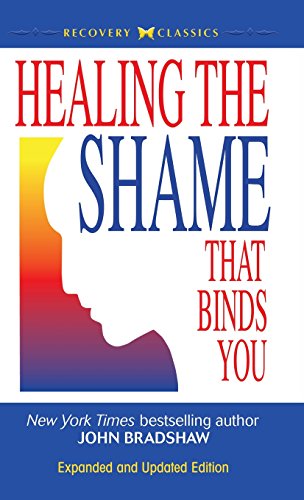
Healing the Shame that Binds You, by John Bradshaw

Healing the Shame that Binds You, by John Bradshaw


Healing the Shame that Binds You, by John Bradshaw

Get Free Ebook Healing the Shame that Binds You, by John Bradshaw

Why should wait for some days to get or get guide Healing The Shame That Binds You, By John Bradshaw that you get? Why need to you take it if you could get Healing The Shame That Binds You, By John Bradshaw the quicker one? You could find the exact same book that you buy here. This is it guide Healing The Shame That Binds You, By John Bradshaw that you could obtain straight after buying. This Healing The Shame That Binds You, By John Bradshaw is popular book in the world, obviously many individuals will try to have it. Why don't you come to be the very first? Still confused with the way?

Presents currently this Healing The Shame That Binds You, By John Bradshaw as one of your book collection! However, it is not in your bookcase collections. Why? This is the book Healing The Shame That Binds You, By John Bradshaw that is provided in soft documents. You could download the soft documents of this magnificent book Healing The Shame That Binds You, By John Bradshaw now and in the link given. Yeah, various with the other individuals which seek book Healing The Shame That Binds You, By John Bradshaw outside, you can obtain less complicated to pose this book. When some people still walk right into the store as well as look the book Healing The Shame That Binds You, By John Bradshaw, you are here only remain on your seat as well as obtain guide Healing The Shame That Binds You, By John Bradshaw.

While the other people in the store, they are uncertain to discover this Healing The Shame That Binds You, By John Bradshaw straight. It could require even more times to go store by store. This is why we mean you this website. We will provide the best means and also recommendation to get guide Healing The Shame That Binds You, By John Bradshaw Even this is soft file book, it will be ease to lug Healing The Shame That Binds You, By John Bradshaw any place or conserve in the house. The distinction is that you may not need move guide Healing The Shame That Binds You, By John Bradshaw place to place. You might require just duplicate to the other tools.

Currently, reading this incredible Healing The Shame That Binds You, By John Bradshaw will be much easier unless you get download the soft documents here. Just right here! By clicking the link to download Healing The Shame That Binds You, By John Bradshaw, you could begin to obtain the book for your own. Be the very first owner of this soft documents book Healing The Shame That Binds You, By John Bradshaw Make distinction for the others and obtain the very first to advance for Healing The Shame That Binds You, By John Bradshaw Present moment!

Healing the Shame that Binds You, by John Bradshaw

In an emotionally revealing way John Bradshaw shows us how toxic shame is the core problem in our compulsions, co-dependencies, addictions and the drive to super-achieve. The result is a breakdown in the family system and our inability to go forward with our lives. We are bound by our shame. Drawing from his 22 years of experience as a counselor, Bradshaw offers us the techniques to heal this shame. Using affirmations, visualizations, "inner voice" and "feeling" work plus guided meditations and other useful healing techniques, he releases the shame that binds us to the past. This important book breaks new ground in the core issues of societal and personal breakdown, offering techniques of recovery vital to all of us.

  • Sales Rank: #412739 in Books
  • Published on: 2015-08-01
  • Original language: English
  • Number of items: 1
  • Dimensions: 8.50" h x .81" w x 5.51" l, 1.18 pounds
  • Binding: Hardcover
  • 338 pages

About the Author
John Bradshaw has been at the forefront of the self-development and recovery field for more than ten years. He has helped millions of people improve their lives through his ongoing lecture series, his nationally broadcast public television series and his bestselling books.

Excerpt. � Reprinted by permission. All rights reserved.

PART I

The Problem―
Spiritual Bankruptcy

We have no imagination for Evil, but Evil has us in its grip.

―C. G. Jung


Introduction: Shame as Demonic (The Internalization Process)

����As I've delved deeper into the destructive power of toxic shame, I've come to see that it directly touches the age-old theological and metaphysical discussion generally referred to as the problem of evil. The problem of evil may be more accurately described as the mystery of evil. No one has ever explained the existence of evil in the world. Centuries ago in the Judeo-Christian West, evil was considered the domain of the Devil, or Satan, the fallen angel. Biblical scholars tell us that the idea of a purely evil being like the Devil or Satan was a late development in the Bible. In the book of Job, Satan was the heavenly district attorney whose job it was to test the faith of those who, like Job, were specially blessed.

����During the Persian conquest of the Israelites, the Satan of Job became fused with the Zoroastrian dualistic theology adopted by the Persians, where two opposing forces, one of good, Ahura Mazda, the Supreme Creator deity, was in a constant battle with Ahriman, the absolute god of evil. This polarized dualism was present in the theology of the Essenes and took hold in Christianity where God and his Son Jesus were in constant battle with the highest fallen angel, Satan, for human souls. This dualism persists today only in fundamentalist religions (Muslim terrorists, the Taliban, the extreme Christian Right and a major part of evangelical Christianity).

����The figure of Satan and the fires of hell have been demythologized by modern Christian biblical scholars, theologians and �philosophers.

����The mystery of evil has not been dismissed by the demythologizing of the Devil. Rather, it has been intensified in the twentieth century by two world wars, Nazism, Stalinism, the genocidal regime of the Khmer Rouge in Cambodia, and the heinous and ruthless extermination of Tibetans and Tibetan Buddhism by Pol Pot. These reigns of evil form what has been called a collective shadow, and it has been shown how na�ve and unconscious the people of the world have been in relation to these evils.

����The denial of evil seems to be a learned behavior. The idea of evil is always subject to denial as a coping mechanism.

����Evil is real and is a permanent part of the human condition. 'To deny that evil is a permanent affliction of humankind,' says the philosopher Ernst Becker in his book Escape from Evil, 'is perhaps the most dangerous kind of thinking.' He goes on to suggest that in denying evil, humans have heaped evil on the world. Historically, great misfortunes have resulted from humans, blinded by the full reality of evil, thinking they were doing good but dispensing miseries far worse than the evil they thought to eradicate. The Crusades during the Middle Ages and the Vietnam War are �examples that come to mind.

����While demons, Satan and hellfire have been demythologized by any critically thinking person, the awesome collective power of evil remains. Many theologiams and psychologists refer to evil as the demonic in human life. They call us to personal wholeness and self-awareness, especially in relation to our own toxic shame or shadow, which goes unconscious and in hiding because it is so painful to bear. These men warn against duality and polarization. 'We must beware of thinking of Good and Evil as absolute opposites,' writes Carl Jung. Good and evil are potentials in every human being; they are halves of a paradoxical whole. Each represents a judgment, and 'we cannot believe that we will always judge rightly.'

����Nothing can spare us the torment of ethical decision. In the past, prior to the patriarchies of Hitler, Stalin and Pol Pot, it was believed that moral evaluation was built and founded on the certitude of a moral code that pretended to know exactly what is good and what is evil. But now we know how any patriarchy, even religious ones, can make cruel and violent decisions. Ethical decision is an uncertain and ultimately a creative act. My new book on moral intelligence calls these patriarchies 'cultures of obedience,' and presents an ethics of virtues as a way to avoid such moral totalism. The Jews who killed their Nazi guards or SS troopers coming to search their homes are now considered ethically good, no matter what the absolutist moral code says about killing. There is a structure of evil that transcends the �malice of any single individual. The Augustinian priest Gregory Baum was the man I first heard call it 'the demonic.'

����It can begin with the best of intentions, with a sincere belief that one is doing good and fighting to eradicate evil, as in the Vietnam War―but it ends with heinous evil. 'Life consists of achieving Good, not apart from Evil, but in spite of it,' says the psychologist Rollo May. There is no such thing as pure good in human affairs. Those who claim it are seriously deluded and will likely be the next perpetrators of evil.

����As I pointed out in the preface to this revised edition, the affect shame has the potential for the depths of human evil or the heights of human good. In this regard shame is demonic. 'The daimonic,' says the psychologist Steven A. Diamond, 'is any natural function which has the power to take over the whole person.' Shame is a natural feeling that, when allowed to function well, monitors a person's sense of excitement or pleasure. But when the feeling of shame is violated by a coercive and perfectionistic religion and culture―especially by shame-based source figures who mediate religion and culture―it becomes an all-embracing identity. A person with internalized shame believes he is inherently flawed, inferior and defective. Such a feeling is so painful that defending scripts (or strategies) are developed to cover it up. These scripts are the roots of violence, criminality, war and all forms of addiction.

����What I'll mainly describe in the first part of this book is how the affect shame can become the source of self-loathing, hatred of others, cruelty, violence, brutality, prejudice and all forms of destructive addictions. As an internalized identity, toxic shame is one of the major sources of the demonic in human life.

1

The Healthy Faces

of Shame (HDL Shame)

Everyone needs a sense of shame,
but no one needs to feel ashamed.

―Frederick Nietzsche

����Because of its preverbal origins, shame is difficult to define. It is a healthy human feeling that can become a true sickness of the soul. Just as there are two kinds of cholesterol, HDL (healthy) and LDL (toxic), so also are there two forms of shame: innate shame and toxic/life-destroying shame. When shame is toxic, it is an excruciatingly internal experience of unexpected exposure. It is a deep cut felt primarily from the inside. It divides us from ourselves and from others. When our feeling of shame becomes toxic shame, we disown ourselves. And this disowning demands a cover-up. Toxic shame parades in many garbs and get-ups. It loves darkness and secretiveness. It is the dark, secret aspect of shame that has evaded our study.

����Because toxic shame stays in hiding and covers itself up, we have to track it down by learning to recognize its many faces and its many distracting behavioral cover-ups.


SHAME AS A HEALTHY HUMAN FEELING


����The idea of shame as healthy seems foreign to English-speaking people because we have only one word for shame in English. To my knowledge, most other languages have at least two words for shame (see Figure 1.1).

FIGURE 1.1

The Languages of Shame

������������� DISCRETION���������������������������� DISGRACE

����������� Before an Action������������������������ After an Action

������������� HDL SHAME��������������������������� LDL SHAME

��� Latin�������� Pudor �������������������������� Latin�������� Foedus

������������������� Verecundia����������������������������������� Macula

��� Greek������ Entrope������������������������� Greek������ Aischyne

������������������� Aidos��������������������������������������������

��� French����� Pudeur�������������������������� French����� Honte

��� German��� Scham�������������������������� German��� Schande

ANnibale POCATERRA


����The earliest treatise on shame was written by Annnibale Pocaterra, born in 1562. My awareness of Pocaterra's book, Two Dialogues on Shame, came from Donald Nathanson's comprehensive book Shame and Pride. According to Nathanson, Pocaterra wrote his book on shame at age thirty. His book was the only scholarly work on shame until Darwin wrote about it three hundred years later. Pocaterra died a few months after publishing his book. Only thirty-eight copies are known to exist today. Nathanson owns one of them, and I'm indebted to him for what follows (see Shame and Pride, pages 443–445).

����In the beginning of his book, Pocaterra tells us that 'in the end shame is a good thing, a part of everyday existence.' Shame, according to Pocaterra, makes us timorous, humble and contrite and causes outrage against the self.

����When we are attacked by shame, Pocaterra says we 'would like nothing better than to run and hide from the eyes of the world.' He also describes shame as the 'fear of infamy,' which can lead a person to attack his enemy with passion. Shame is thus capable of both cowardice and bravery. Long before Silvan Tomkins's treatise on shame, Pocaterra posited that our emotions are innate and that 'they are only good or evil as the end to which they are used.' There is an innate and a learned component to all emotion. 'Therefore,' Pocaterra writes, 'there must be two shames, one natural and free from awareness and the other acquired.'

����Pocaterra understood shame to be our teacher. He thought the shame of children was like a seed that will become a small plant in youth and leads to virtue at maturity. Pocaterra looked at blushing as the external sign of shame and believed that blushing was both the recognition of having made a mistake as well as the desire to make amends. Three hundred years later Darwin would posit blushing as that which distinguishes us from all other animals. Darwin knew that the mother of the blush was shame. For Darwin, shame defines our essential humanity. Silvan Tomkins views shame as an innate feeling that limits our experience of interest, curiosity and pleasure.


SHAME AS PERMISSION TO BE HUMAN


����Healthy shame lets us know that we are limited. It tells us that to be human is to be limited. Actually, humans are essentially limited. Not one of us has, or can ever have, unlimited power. The unlimited power that many modern gurus offer is false hope. Their programs calling us to unlimited power have made them rich, not us. They touch our false selves and tap our toxic shame. We humans are finite, 'perfectly imperfect.' Limitation is our essential nature. Grave problems result from refusing to accept our limits.

����Healthy shame is an emotion that teaches us about our limits. Like all emotions, shame moves us to get our basic needs met.


EGO BOUNDARIES


����One of our basic needs is structure. We ensure our structure by developing a boundary system within which we safely operate. Structure gives our lives form. Boundaries offer us safety and allow more efficient use of energy.

There is an old joke about the man who 'got on his horse and rode off in all directions.' Without boundaries we have no limits and are easily �confused. We go this way and that, wasting a lot of energy. We lose our way or become addicted because we don't know when to stop; we don't know how to say no.

����Healthy shame keeps us grounded. It is a yellow light, warning us of our essential limitations. Healthy shame is the basic metaphysical boundary for human beings. It is the emotional energy that signals us that we are not God―that we will make mistakes, that we need help. Healthy shame gives us permission to be human.

����Healthy shame is part of every human's personal power. It allows us to know our limits, and thus to use our energy more effectively. We have better direction when we know our limits. We do not waste ourselves on goals we cannot reach or on things we cannot change. Healthy shame allows our energy to be integrated rather than diffused.


THE DEVELOPMENTAL STAGE
OF HEALTHY (HDL) SHAME


����Figure 1.2 gives an overview of how the feeling of shame expands and grows over our lifetime. The chart is epigenetic, meaning that each stage builds upon and retains the previous stage.

����We need to know from the beginning that we can trust the world. The world first comes to us in the form of our primary caregivers. We need to know that we can count on someone to be there for us in a humanly predictable manner. If we had a caregiver who was mostly predictable, and who touched us and mirrored all our behaviors, we developed a sense of basic trust. When security and trust are present, we begin to develop an interpersonal bond, which forms a bridge of empathic mutuality. Such a bridge is crucial for the development of self-worth. The only way a child can develop a sense of self is through a relationship with another. We are 'we' before we are 'I.'

����In this earliest stage of life, we can only know ourselves in the mirroring eyes of our primary caregivers.

FIGURE 1.2

Developmental Stages of Healthy (HDL) Shame

Transcendence������������ -Shame as wisdom, knowing what is valuable and what is not worth your time.

���������������������������������� Older Age

���������������������������������� -Shame as the experience of the numinous sacred holy & knowing a higher power. Shame as the source and safeguard of spirituality.

Inter-�������������������� -Adult

dependence������� Experience of life's limits―suffering and death.

���������������������������������� -Shame as knowing you don't know it all―openness to novelty/creativity.

���������������������������������� Young Adult

���������������������������������� -New secure attachment figure―love as exposing your vulnerable self. Shame as modesty.

independence��� Puberty

���������������������������������� -Shame experienced as limits to self-identity.������������
-Shame limits mental curiosity―studiasitas (temperance of the mind).

���������������������������������� Puberty

���������������������������������� -Emergence of the sex drive experienced as awesome. Healthy shame monitors sex drive. Shame is dominant in peer group acceptance.

���������������������������������� 8–Puberty

���������������������������������� -Shame as inferiority experienced as limits to one's abilities―social shame related to ethnicity, gender, status.

���������������������������������� 8–Puberty

���������������������������������� -Shame as embarassment coming from making mistakes, especially neighborhood social play―juvenile sex play―social shame as related to belonging.

���������������������������������� 3.5–8 Years

���������������������������������� -guilt as moral shame, the internalized parental rules and voices that form conscience. Early sexual curiosity―manners and modesty.

counter-������������� 18 Months–3.5 Years

dependence������� -full affect of shame experienced as limits put on child's autonomous need to separate and do things his or her own way.

���������������������������������� 6–18 Months

���������������������������������� -Shame as limits to curiosity and interest―when children get into trouble they often hide their eyes.

interpersonal� 6 Months

bridge������������������� Once securely attached―shame as shyness appears as a response
established��������� to being exposed to strange faces.
codependence����


THE INTERPERSONAL BRIDGE


����The relationship between child and caregiver gradually evolves out of �reciprocal interest, along with shared experiences of trust. Actually, trust is fostered by the fact that we come to expect and rely on the mutuality of response. As trust grows, an emotional bond is formed. The emotional bond allows the child to risk venturing out to explore the world. This bond becomes an interpersonal bridge between child and caregiver. The bridge is the foundation for mutual growth and understanding. The interpersonal bridge is strengthened by certain experiences we have come to accept and depend on. The other person, our primary caregiver, becomes significant in the sense that that person's love, respect and care for us really matter. We allow ourselves to be vulnerable in that we allow ourselves to need the other person.


SHAME AS SHYNESS


����Once basic trust has been established, the child's feeling of shame emerges. The first appearance of the feeling of shame usually occurs at about six months. At that age, a child has become familiar with his or her mother's face. When a strange face (maybe a relative seeing the baby for the first time) appears, the infant experiences shame as shyness in looking at the strange face.

����Some children are temperamentally shy and withdrawn. But all of us experience some shyness in the presence of what is unfamiliar.


SHAME AS A LIMIT TO CURIOSITY:
THE DEVELOPMENT OF HEALTHY SHAME


SIX MONTHS TO EIGHTEEN MONTHS:


����At about six to eighteen months of age, a child begins to develop musculature. He needs to establish a balance between 'holding on and letting go.' The earliest muscle development focuses on crawling and then gaining balance when standing up and walking. This triggers the desire to roam and explore, and in order to roam and explore, the child needs to separate from his primary caregivers. The early exploratory stage is characterized by touching, tasting and examining the many fascinating aspects of the environment. Children lack coordination and knowledge. My grandson Jackson loved to dunk his head into the toilet at this stage. When he was stopped from doing something (like throwing his train into the TV) he hid his eyes. Six- to eighteen-month-olds are magical in their thinking. When Jackson hid his eyes, we disappeared. In his magical mind, if he couldn't see us, then we couldn't see him. Hiding the eyes is characteristic of shame because shame guards against overexposure. When we are exposed without any way to protect ourselves, we feel the pain of shame. If we are continually overexposed, shame becomes toxic.


EIGHTEEN MONTHS TO THREE AND A HALF YEARS:


����The psychologist Erik Erikson says that the psychosocial task at this stage of development is to strike a balance between autonomy and shame and doubt. This stage (eighteen months to three and a half years) has been called 'the terrible twos' because children begin to explore by touching, tasting and testing. Two-year-olds are in a counterdependent stage. They need to separate and are stubborn. They want to do it their way (always within eyesight of their caregiver). When two-year-olds are thwarted (like every three minutes), they have intense anger and temper tantrums. At this stage the child needs to take possession of things in order to test them by purposeful repetition. The world is brand new―sights, sounds and smells all have to be assimilated through repeated experience.


THE CHILD'S NEEDS


����This stage has also been referred to as 'second' or 'psychological' birth. The child is beginning to separate. Saying 'no' and 'it's mine' and throwing temper tantrums are the first testing of boundaries. What a child needs most is a firm but understanding caregiver, who in turn needs to have her own needs met through her spouse and her own resources. Such a caregiver needs to have resolved the issues in her own source relationships and needs to have a sense of self-responsibility. When this is the case, such a caregiver can be available to the child and provide what the child needs. No parent is perfect and none can do this perfectly. They simply need to be 'good enough.'


MODELS


����The child needs good modeling of healthy shame and other emotions. The child needs the caregiver's time and attention. Above all, the child needs the caregiver to model good boundaries. A child needs to have a caregiver available to set limits and express anger in a nonshaming way. Outer control must be firmly reassuring. Dr. Maria Montessori found that a 'prepared environment' takes the heat off the parents. The prepared environment is developmentally geared to the child's unique needs at each stage of development. These needs were called 'sensitive periods' by Dr. Montessori. The child needs to know that the interpersonal bridge will not be destroyed by his new urge for doing things his own way―his new urge toward autonomy. Erikson writes in Childhood and Society:

����Firmness must protect him against the potential anarchy of his yet untrained sense of discrimination, his inability to hold on and to let go with discretion.

����If a child can be protected by firm but compassionate limits, if he can explore, test and have tantrums without the caregiver's withdrawal of love, i.e., withdrawal of the interpersonal bridge, then the child can develop a healthy sense of shame. It may come as the child's embarrassment over his normal human failures, or as timidity and shyness in the presence of strangers, or as the beginning feeling of guilt as the child internalizes his parents' limits on excitement and pleasure. This sense of shame is crucial and necessary as a balance and limit for one's newfound autonomy. Healthy shame signals us that we are not omnipotent.

����Our shyness is always with us as we encounter strangers or strange new experiences. The stranger, by definition, is one who is 'un-family-iar.' The stranger is not of our family. The stranger poses the threat of the unknown. Our shyness is our healthy shame in the presence of a stranger. Like all emotions, shyness signals us to be cautious, to take heed lest we be wounded or exposed. Shyness is a boundary that guards our inner core in the presence of the unfamiliar stranger.

����Shyness can become a serious problem when it is rooted in toxic shame.

SHAME AS GUILT


����Healthy guilt is moral shame. The rules and limits children have experienced from their caregivers or from the environment are internalized and become an inner voice that guides and limits behavior. Guilt is the guardian of conscience, and children begin to form their conscience during the preschool period.


SHAME AS EMBARRASSMENT AND BLUSHING


����As preschool children grow older, they begin to explore their own �bodies and their gender identity. Their healthy shame is the foundation for developing manners and a sense of modesty. A child's manners and modesty become a more sophisticated and complex guide that triggers shame as embarrassment and blushing. Preschool and school-age children become more social and have more occasion for unexpected exposure that leads to embarrassment and blushing.

����In an embarrassing situation one is caught off guard―one is exposed when one is not ready to be exposed. One feels unable to cope with some situation in the presence of others. It may be an unexpected physical clumsiness, an interpersonal sensitivity or a breach of etiquette.

����In such situations we experience the blush of healthy shame. Blushing manifests the exposure, the unexpectedness, the involuntary nature of shame.

����In On Shame and the Search for Identity Helen Lynd writes, 'One's feeling is involuntarily exposed; one is uncovered.'

����Blushing is the manifestation of our human limits. The ability to blush is a metaphor for our essentially limited humanity. With blushing comes the impulse to 'cover one's face,' 'bury one's face,' 'save face,' or 'sink into the ground.' With blushing we know we've made a mistake. Why would we have such a capacity if mistakes were not part of our essential nature? Blushing as a manifestation of healthy shame keeps us grounded. It reminds us of our core human boundary. It is a signal for us not to get �carried away with our own excellence.


SHAME AS THE SOURCE OF
CREATIVITY AND LEARNING


����I once did a workshop with Richard Bandler, one of the founders of NeuroLinguistic Programming (NLP). It was a very powerful experience. I've never forgotten one aspect of that experience. Richard asked us to think of a time in our lives when we knew we were right. After a few seconds, I remembered an incident with my former wife. He asked us to go over the experience in our memory. Then he asked us to make a movie of the experience: to divide it into acts and to run it as a film. Then he asked us to run the film backward. Then we were to run the acts out of sequence: the �middle act first, the last act in the middle, etc. Then we were to run through the experience again as we had done it the first time. We were to pay exquisite attention to the details of the experience and to the feeling of rightness.

����By the time I reran the experience, it no longer had the voltage it had the first time. In fact, I hardly felt anything of the initial intensity. Richard was introducing us to a form of internal remapping called submodality work. But that was not important for me. What was important for me was a statement Richard made about creativity. For me, the greatest human power is the creative power.


HEALTHY INFERIORITY


����Richard Bandler suggested that one of the major blocks to creativity was the feeling of knowing you are right. When we think we are absolutely right, we stop seeking new information. To be right is to be certain, and to be certain stops us from being curious. Curiosity and wonder are at the heart of all learning. Plato said that all philosophy begins in wonder. So the feeling of absolute certainty and righteousness causes us to stop seeking and learning.

����Our healthy shame, which is a feeling of our core boundaries and limitedness, never allows us to believe we know it all. Our healthy shame is nourishing in that it moves us to seek new information and learn new things. Inferiority can be experienced as a healthy limit to our abilities.


SHAME AS THE BASIC NEED
FOR COMMUNITY―SOCIAL SHAME


����There is an ancient proverb that states, 'One man is no man.' This saying underscores our basic human need for community, which underscores our need for relationships and social life. Not one of us could have made it without someone being there for us. Human beings need help. Not one of us is so strong that he does not need love, intimacy and dialogue in �community.

����We will need our parents for another decade before we are ready to leave home. We cannot get our needs met without depending on our primary caregivers. Our healthy feeling of shame is there to remind us that we often need help. No human being can make it alone. Even after we have achieved some sense of mastery, even when we are independent, we will still have needs. We will need to love and grow. We will need to care for another, and we will need to be needed. Our shame functions as a healthy signal that we need help, that we need to love and be in caring relationships with others.

����Without the healthy signal of shame, we would not be in touch with our core dependency needs.


SCHOOL AGE


����Social shame emerges as the school-age child becomes aware of social difference and the culture's norms for beauty and success. Financial status, ethnicity, intelligence, popularity, physical appearance, athletic ability and talent all contribute to a person's sense of shame. Many of our cultural norms become occasions for toxic shame. But if children have a good, loving home with parents who model spiritual values, they can sift through the social garbage.


PUBERTY―SEXUAL SHAME


����As the sex drive fully emerges, the feeling of shame becomes more activated than at any other time in the life cycle. The initial experience of sexuality is one of awe and strangeness. Today we have lost what the ancients called the phallic and vaginal mysteries. Thomas Moore writes poignantly about the mystery of sexuality in his book The Soul of Sex. In our shameless culture, sex has been depersonalized. It has become a fact, not a sacred value. Parents need to model and teach an awe and reverence for their own and their children's sexuality.


SHAME AS AN AFFECT AUXILLARY


����In the new preface I mention that the foundation for this book is Silvan Tompkins's theory of the affect system and shame as an affect auxillary. This means that shame monitors excitement and pleasure. Nature has made the sexual experience the most exciting and pleasurable of all our experiences. Nature wants us to mate and procreate. Sex and shame go hand in hand because we need our sense of shame as a boundary for our sexual desires.

����Adolescence is the time when the major biological transformation from child to adult is taking place. It is the time a person feels most exposed. Embarrassment is so excruciatingly painful in adolescence that teenagers are diligently on guard to protect themselves while projecting on others.

����Belonging to the peer group is paramount. One's whole sense of identity is coming together in adolescence. If one has a good foundation prior to adolescence, the sense of self can be preliminarily defined. Identity is always social―one's sense of self needs to be matched by others: one's friends, teachers and parents. Adolescence is the time the brain (frontal lobes) is reaching full maturity. It is a time of ideals, of questioning and projecting into the future. An adolescent needs to have the discipline of mind the philosopher Thomas Aquinas called studiasitas. Studiasitas is a disciplined focus on studies and thinking, a kind of temperance of the mind. Its opposite is curiositas, a kind of mental wandering all over the place without limits.

����Healthy shame at this stage is the source of good identity, a disciplined focus on the future and on studious limits in pursuing intellectual interests.


LOVE (ATTACHMENT)


����The power of the interpersonal bridge, along with a sense of identity, form the foundation for a healthy adult love relationship. A toxically shamed person is divided within himself and must create a false-self cover-up to hide his sense of being flawed and defective. You cannot offer yourself to another person if you do not know who you really are.


CONNECTING BEHAVIOR


����Having a secure attachment with one's source figures, and having developed a sense of self-worth, a person feels he is loveable and wants to love another. A securely attached person with a solid sense of self is �capable of connecting with another in an intimate relationship. Intimacy requires vulnerability and a lack of defensiveness. Intimacy requires healthy shame.

����Most people have a way to go in terms of developing intimacy and connecting skills when they get married or enter a long-term relationship. But the great thing about a committed relationship is that the relationship itself is a form of therapy. If both partners are committed, most of their differences can be worked out and even appreciated. Shame as the root feeling of humility allows each partner to appreciate and accept the other's foibles and idiosyncrasies. Knowing and accepting my own limitations allows me to accept my perceptions of my partner's limitations. Giving and receiving unconditional love is the most effective and powerful way to personal wholeness and happiness.


CREATIVITY AND GENERATIVITY


����It has been said that creative people see more in any given reality than others see. The more they have healthy shame as the core of humility and modesty, the more they know that what they know is a tiny fraction of what there is to know. A person with humility shame is open to new discovery and learning. When a person with curiosity and interest has discipline available to him, he has the right formula for creativity. The philosopher Nietzsche spoke of the creative act as involving both Dionysian and Apollonian elements. The Dionysian represents the passionate interest and desire to learn. The Apollonian represents the form and structure that must guide any truly creative act. Music is limited by the diatonic scale, and poetry is limited by words and the forms of poetic cadence. The world is full of people with good ideas and fantasies that never come to fruition because they don't have disciplined limits.


GENERATIVITY


����A person need not write music or poetry in order to be generative. Caring parents are generative; planting flowers and trees and caring for all life forms are generative behaviors. Being in a business that makes useful products that enhance the quality of life is generative work.

����Toxically shamed people tend to become more and more stagnant as life goes on. They live in a guarded, secretive and defensive way. They try to be more than human (perfect and controlling) or less than human (losing interest in life or stagnated in some addictive behavior).


SHAME IS AWE AND REVERENCE


����Healthy shame is the source of awe and reverence when experiencing the immensity and mystery of life. Life is a mystery to be lived. Whether it be looking out at the immensity of space on a starry night, or experiencing the phallic and vaginal mysteries, or experiencing your own offspring being conceived, born and growing in their own unique way, or marveling at the mysteries of scientific discovery or the unexplained miracles that occur throughout our lives―all of this gives us pause and moves us to experience our own littleness in the face of the enormity of reality.


SHAME AS THE NUMINOUS


����Shame as awe and reverence leads directly to what the theologian Rudolf Otto called the idea of the holy. Otto studied the theophanies (the appearances of God) in all the sacred books of the world's religions. He defined the experience of holy God as the uncanny, and he called the uncanny a numinous experience, which he described as 'the mysterium tremendum et fascinans'―the mystery that attracts us with passionate fascination but which is fearful at the same time. Anyone who has nurtured healthy shame and experienced awe and reverence for the immensity of life must acknowledge the numinous. 'Woe to them who speak of God,' said St. Augustine, 'yet mute is even elegant.' We cannot experience our own finite limitations without questioning the meaning and purpose of life. And we cannot escape the common sense conclusion there are many higher powers that shape our lives. Many people call their higher power God. The great Lutheran theologian Paul Tillich suggested that because personal love and intimacy is the highest form of creaturely life, then the creator cannot be less than personal.


SHAME AS THE SOURCE OF SPIRITUALITY


����In The Farther Reaches of Human Nature, Abraham Maslow, the pioneering third force psychologist, once wrote:

����The spiritual life is . . . part of the human essence. It is a defining characteristic of human nature . . . without which human nature is not full human nature.

����Spirituality embraces the numinous (the holy). Spirituality has to do with an inner life of values and meaning. It also has to do with our �finitude―our awe and reverence for the mysteries of life. Spirituality is about love, truth, goodness, beauty, giving and caring. Spirituality is about wholeness and completion. Spirituality is our ultimate human need. It pushes us to transcend ourselves and become grounded in the ultimate source of reality.

����Our healthy shame is essential as the foundation of our spirituality. By reminding us of our essential limitations, our healthy shame lets us know that we are not God. Our healthy shame points us in the direction of some larger meaning. Our healthy shame is the psychological ground of our humility.


�2005. John Bradshaw. All rights reserved. Reprinted from Healing the Shame that Binds You. No part of this publication may be reproduced, stored in a retrieval system or transmitted in any form or by any means, without the written permission of the publisher. Publisher: Health Communications, Inc., 3201 SW 15th Street, Deerfield Beach, FL 33442.


Most helpful customer reviews

107 of 109 people found the following review helpful.
Real breakthrough
By Ana F
Ah. So It has a name. That feeling that follows us through years and years, that keeps eating at us and deteriorating our life. At first you double the efforts to keep on functioning and achieving ("put your back into it!"). Some achievements come with that. But you feel increasingly drained, fearful of disasters and failure (which can lead you smack into some of them btw), and just so gd tired. And weirdly empty, disconnected and phony even to yourself. Soooo.... bit by bit you keep on trying to quench that nagging dissatisfied thirst with... well, just plain more. More work. More "fun" (a world of problems here, none of them fun at all). More money. More shoes. And always thinking "when I get that new (i) car (ii) job (iii) promotion (iv) title (v) ring etc etc etc, I'll feel better. More serene and real. I'll find "my" place, where I "belong"".
One therapist once told me that this sounded like "when I grow up...". I never forgot that.
This book is important. To me, it was an absolute revelation.
If you identify with anything I wrote above, check this book out. It brings an almost immediate feeling of relief. What happens after the first eureka moment is up to each one of us and our individual stories. But, as a group, it's like realizing your symptons are documented and part of a disease that afflicts a lot of people and not just you - and which CAN be treated; which has nothing to do with your real identity.
And that place? Where we belong? It's right there inside each of us, patiently waiting for us to come back. I'm trying to find my own way back, and this book was the most precise and clearest "guide" I found so far. For the first time in my life, I feel like I'm on my way. Using the right road and all. At the right pace.
I do wish I had come across this before. But then again, time and place for everything, right?

4 of 4 people found the following review helpful.
As you can imagine when I got to that point in the book and read about it I was greatly amazed: ) I almost have the feeling that
By Steven Smith
I had only learned the concept of toxic shame just this year online. The online source I learned it from was lacking in terms of solutions though. This book does both well in my opinion, it describes the problem, and solutions. I found it very ironic when I started reading this book because after learning about the existence of toxic shame I had started doing the first few steps to fix the problem that he suggested in this book. As you can imagine when I got to that point in the book and read about it I was greatly amazed :) I almost have the feeling that God was guiding me in my recent life to help me with my psychological issues. You don't have to be religious to do what this book says though, and in fact it will tell you that if you are built in toxic shame you CANNOT be religious, and his solutions do not require religion at any step of the process.

I had taken medicine and had even gone to a therapist with my psychological concerns and never felt that any progress was made. Some of the things suggested as solutions in this book were suggested to me by the therapist but he didn't really explain things in a way that got me motivated like this book did. I think you have to have a basic understanding of the problem before you can start work to fix it. That's the thing with toxic shame: hearing what you are doing wrong won't help, it just reinforces it, makes it worse. You have to understand that the toxic shame is the SOURCE of the problem before you can take steps to solve it.

2 of 2 people found the following review helpful.
A good beginning to shame recovery
By Philip J Barner
I found this book to be very helpful as a starting point to examine my shame and the shame around me in others. Bradshaw does a good job of referencing many methods and approaches to begin to deal with shame. I found that I needed and valued deeper work with a counselor and other resources but i would recommend this as a great start to begin the journey of recovery from shame

See all 322 customer reviews...

Healing the Shame that Binds You, by John Bradshaw PDF
Healing the Shame that Binds You, by John Bradshaw EPub
Healing the Shame that Binds You, by John Bradshaw Doc
Healing the Shame that Binds You, by John Bradshaw iBooks
Healing the Shame that Binds You, by John Bradshaw rtf
Healing the Shame that Binds You, by John Bradshaw Mobipocket
Healing the Shame that Binds You, by John Bradshaw Kindle

Healing the Shame that Binds You, by John Bradshaw PDF

Healing the Shame that Binds You, by John Bradshaw PDF

Healing the Shame that Binds You, by John Bradshaw PDF

Kamis, 05 Mei 2011

[M707.Ebook] Fee Download Absorption Spectra and Chemical Bonding in Complexes, by C K Jorgensen

Fee Download Absorption Spectra and Chemical Bonding in Complexes, by C K Jorgensen

In reading Absorption Spectra And Chemical Bonding In Complexes, By C K Jorgensen, now you may not also do conventionally. In this modern-day era, gadget and also computer system will assist you so much. This is the time for you to open the gadget as well as remain in this website. It is the best doing. You could see the link to download this Absorption Spectra And Chemical Bonding In Complexes, By C K Jorgensen right here, can not you? Merely click the web link and make a deal to download it. You could get to acquire the book Absorption Spectra And Chemical Bonding In Complexes, By C K Jorgensen by on-line and also prepared to download. It is extremely various with the typical way by gong to guide shop around your city.

Absorption Spectra and Chemical Bonding in Complexes, by C K Jorgensen

Absorption Spectra and Chemical Bonding in Complexes, by C K Jorgensen


Absorption Spectra and Chemical Bonding in Complexes, by C K Jorgensen

Fee Download Absorption Spectra and Chemical Bonding in Complexes, by C K Jorgensen

Reading a publication Absorption Spectra And Chemical Bonding In Complexes, By C K Jorgensen is type of simple task to do each time you want. Even reviewing every single time you want, this activity will not disturb your various other activities; many people generally read the books Absorption Spectra And Chemical Bonding In Complexes, By C K Jorgensen when they are having the leisure. Just what concerning you? What do you do when having the downtime? Do not you spend for pointless points? This is why you have to get the book Absorption Spectra And Chemical Bonding In Complexes, By C K Jorgensen as well as aim to have reading habit. Reading this e-book Absorption Spectra And Chemical Bonding In Complexes, By C K Jorgensen will certainly not make you useless. It will certainly provide much more perks.

If you get the published book Absorption Spectra And Chemical Bonding In Complexes, By C K Jorgensen in on the internet book store, you may also locate the exact same trouble. So, you must move establishment to establishment Absorption Spectra And Chemical Bonding In Complexes, By C K Jorgensen as well as search for the available there. But, it will not happen right here. The book Absorption Spectra And Chemical Bonding In Complexes, By C K Jorgensen that we will certainly offer here is the soft data concept. This is just what make you could conveniently discover as well as get this Absorption Spectra And Chemical Bonding In Complexes, By C K Jorgensen by reading this site. We offer you Absorption Spectra And Chemical Bonding In Complexes, By C K Jorgensen the very best product, constantly as well as consistently.

Never ever doubt with our offer, considering that we will always offer just what you require. As such as this upgraded book Absorption Spectra And Chemical Bonding In Complexes, By C K Jorgensen, you could not find in the various other location. But right here, it's quite easy. Merely click and download, you could have the Absorption Spectra And Chemical Bonding In Complexes, By C K Jorgensen When simpleness will ease your life, why should take the complicated one? You could acquire the soft data of the book Absorption Spectra And Chemical Bonding In Complexes, By C K Jorgensen here as well as be participant of us. Besides this book Absorption Spectra And Chemical Bonding In Complexes, By C K Jorgensen, you can additionally find hundreds lists of guides from many resources, compilations, authors, and also authors in worldwide.

By clicking the link that we provide, you could take guide Absorption Spectra And Chemical Bonding In Complexes, By C K Jorgensen completely. Connect to net, download, as well as conserve to your tool. What else to ask? Reviewing can be so easy when you have the soft file of this Absorption Spectra And Chemical Bonding In Complexes, By C K Jorgensen in your device. You can also copy the data Absorption Spectra And Chemical Bonding In Complexes, By C K Jorgensen to your workplace computer or in the house as well as in your laptop. Just discuss this great news to others. Recommend them to see this resource and obtain their looked for books Absorption Spectra And Chemical Bonding In Complexes, By C K Jorgensen.

Absorption Spectra and Chemical Bonding in Complexes, by C K Jorgensen

Book by Jorgensen, C K

  • Sales Rank: #3995050 in Books
  • Brand: Brand: Pergamon Press
  • Published on: 1962
  • Ingredients: Example Ingredients
  • Format: Import
  • Number of items: 1
  • Binding: Hardcover
  • 352 pages
Features
  • Used Book in Good Condition

Most helpful customer reviews

See all customer reviews...

Absorption Spectra and Chemical Bonding in Complexes, by C K Jorgensen PDF
Absorption Spectra and Chemical Bonding in Complexes, by C K Jorgensen EPub
Absorption Spectra and Chemical Bonding in Complexes, by C K Jorgensen Doc
Absorption Spectra and Chemical Bonding in Complexes, by C K Jorgensen iBooks
Absorption Spectra and Chemical Bonding in Complexes, by C K Jorgensen rtf
Absorption Spectra and Chemical Bonding in Complexes, by C K Jorgensen Mobipocket
Absorption Spectra and Chemical Bonding in Complexes, by C K Jorgensen Kindle

Absorption Spectra and Chemical Bonding in Complexes, by C K Jorgensen PDF

Absorption Spectra and Chemical Bonding in Complexes, by C K Jorgensen PDF

Absorption Spectra and Chemical Bonding in Complexes, by C K Jorgensen PDF

Kamis, 28 April 2011

[U947.Ebook] Download Access 2010: The Missing Manual, by Matthew MacDonald

Download Access 2010: The Missing Manual, by Matthew MacDonald

The Access 2010: The Missing Manual, By Matthew MacDonald has the tendency to be terrific reading book that is understandable. This is why this book Access 2010: The Missing Manual, By Matthew MacDonald becomes a favorite book to review. Why don't you desire become one of them? You could appreciate checking out Access 2010: The Missing Manual, By Matthew MacDonald while doing various other activities. The existence of the soft file of this book Access 2010: The Missing Manual, By Matthew MacDonald is kind of getting experience conveniently. It consists of just how you must conserve guide Access 2010: The Missing Manual, By Matthew MacDonald, not in racks of course. You could wait in your computer tool and also gadget.

Access 2010: The Missing Manual, by Matthew MacDonald

Access 2010: The Missing Manual, by Matthew MacDonald


Access 2010: The Missing Manual, by Matthew MacDonald

Download Access 2010: The Missing Manual, by Matthew MacDonald

Access 2010: The Missing Manual, By Matthew MacDonald. Modification your practice to hang or squander the moment to only talk with your pals. It is done by your everyday, do not you feel tired? Currently, we will show you the new habit that, actually it's an older practice to do that can make your life a lot more certified. When feeling burnt out of consistently chatting with your good friends all downtime, you could find guide qualify Access 2010: The Missing Manual, By Matthew MacDonald and after that review it.

Below, we have many e-book Access 2010: The Missing Manual, By Matthew MacDonald and collections to check out. We likewise offer alternative types and also sort of guides to search. The enjoyable e-book, fiction, past history, novel, science, as well as various other kinds of publications are offered here. As this Access 2010: The Missing Manual, By Matthew MacDonald, it turneds into one of the preferred publication Access 2010: The Missing Manual, By Matthew MacDonald collections that we have. This is why you are in the ideal site to see the remarkable e-books to own.

It will not take more time to get this Access 2010: The Missing Manual, By Matthew MacDonald It won't take even more cash to print this publication Access 2010: The Missing Manual, By Matthew MacDonald Nowadays, people have actually been so wise to make use of the technology. Why do not you utilize your gizmo or various other gadget to save this downloaded soft documents book Access 2010: The Missing Manual, By Matthew MacDonald Through this will certainly allow you to constantly be accompanied by this e-book Access 2010: The Missing Manual, By Matthew MacDonald Certainly, it will be the most effective close friend if you read this e-book Access 2010: The Missing Manual, By Matthew MacDonald until completed.

Be the initial to obtain this book now and also get all reasons why you should review this Access 2010: The Missing Manual, By Matthew MacDonald The book Access 2010: The Missing Manual, By Matthew MacDonald is not just for your tasks or necessity in your life. Books will certainly constantly be an excellent close friend in every time you review. Now, let the others understand about this web page. You can take the advantages and share it additionally for your buddies and individuals around you. By this way, you can actually get the significance of this book Access 2010: The Missing Manual, By Matthew MacDonald profitably. What do you assume about our concept below?

Access 2010: The Missing Manual, by Matthew MacDonald

Go from Access novice to true master with the professional database design tips and crystal-clear explanations in this book. You'll learn all the secrets of this powerful database program so you can use your data in creative ways -- from creating product catalogs and publishing information online to producing invoices and reports.

  • Build a database with ease. Store information to track numbers, products, documents, and more
  • Customize the interface. Build your own forms to make data entry a snap
  • Find what you need fast. Search, sort, and summarize huge amounts of information
  • Put your data to use. Turn raw info into printed reports with attractive formatting
  • Share your data. Collaborate online with SharePoint and the brand-new Access web database
  • Dive into Access programming. Get tricks and techniques to automate common tasks
  • Create rich data connections. Build dynamic links with SQL Server, SharePoint, and other systems
Five Touchstones to Understanding Access

Let’s face it--learning the tricks and techniques of database design can be a bit of a slog. But if you’re just starting out with Access, here are five key insights that can help you understand how the database world works. Keep these points in mind, and you’ll be on the inside track to mastering Access.

    1. Databases hold database objects. Most people are familiar with tables, the grid-like grouping of data that stores your information (for example, lists of items you own, friends you have, or products you sell through your small business). But tables are just one type of object that an Access database can hold. The other key ingredients are queries (customized search routines that pull out the information you need at the drop of a hat), reports (similar to queries, but nicely formatted and ready for printing), forms (windows that make it easy to review and edit the data in your tables), and macros and modules (miniature programs that can do just about anything—from updating 10,000 records at once to firing off an email).

    2. Relationships hold it all together. Access newbies sometimes start out thinking a database is just a glorified spreadsheet. After all, can’t Excel hold long lists with hundreds of thousands of rows? (And yes, it can.) However, Access has a feature Excel can’t duplicate: relationships. A typical Access database holds several tables, and relationships link these tables together. For example, a table of customers might link to a table of orders, which would link to a table of products, allowing you to answer questions like “What customers spent the most money?” and “What is the most popular product for customers living in New York?” Relationships also safeguard your data--for example, they make it impossible for someone to accidentally place an order for a product or a customer that doesn’t exist.

    3. There are two ways to work with a database: as a designer and as a user. The database designer is the person who sets up the database. The database designer has the responsibility of laying out the tables, building the queries, and knocking together some nice reports and forms (assuming you want all those features). By comparison, the database user is the person who uses the tables, queries, reports, and forms in day-to-day life. The user reviews records, makes changes, and fills the tables up with data.

    Depending on what type of database you’re creating (and what you want to accomplish), you may be both the database designer and the database user. But it’s important to realize that these are distinct tasks. In fact, when using a properly designed database, database users don’t need to be particularly skilled with Access. They can just work with the forms and reports that the database designer created.

    4. Sooner or later, you’ll need macros. To become an Access expert, you must first learn to design a logical, consistent set of tables and add the relationships that link them together. Next, you must learn to build the other types of objects--queries, forms, and reports--that make it easier to perform common tasks. At some point, while tackling this second stage, you’ll run into a challenge that forces you to step up to the third level of Access mastery: macros.

    Macros are miniature programs that perform custom tasks. The good news is that in Access 2010, you can design your own macros without becoming a programmer. You just need to drag, drop, and arrange a sequence of ready-made macro commands into the Access macro designer. For example, you can use macros to build buttons that send emails, start printouts, make updates, or just take you around your database.

    5. Expert user, meet Visual Basic. Some people stop their Access journey at this point, content to use tables, forms, reports, and macros to do all their work. But if you want to see everything Access has to offer, you need to take a look at its high-powered Visual Basic engine. Using VB code, you can do almost anything, from validating a credit card to leading a customer through an order process (two examples that are discussed in Access 2010: The Missing Manual). And if you’re willing to pick up some basic programming concepts, you can use code to transform a simple database into a cohesive database application—for example, something that looks more like the traditional desktop programs you run on your computer.

  • Sales Rank: #39890 in Books
  • Published on: 2010-07-02
  • Original language: English
  • Number of items: 1
  • Dimensions: 9.19" h x 1.90" w x 7.00" l, 2.85 pounds
  • Binding: Paperback
  • 834 pages
Features
  • ISBN13: 9781449382377
  • Condition: New
  • Notes: BRAND NEW FROM PUBLISHER! 100% Satisfaction Guarantee. Tracking provided on most orders. Buy with Confidence! Millions of books sold!

About the Author

Matthew MacDonald is a science and technology writer with well over a dozen books to his name. Web novices can tiptoe out onto the Internet with him in Creating a Website: The Missing Manual. HTML fans can learn about the cutting edge of web design in HTML5: The Missing Manual. And human beings of all description can discover just how strange they really are in the quirky handbooks Your Brain: The Missing Manual and Your Body: The Missing Manual.

Most helpful customer reviews

99 of 101 people found the following review helpful.
Excellent!
By rogergold
I had all but given up on finding a book that explains how to use Access that is neither too simplistic nor too complex. The tone is very conversational and the author easily explains and introduces complex ideas without making it feel like a textbook or leaving you overwhelmed. I have bought 3 books over the last 5 years on this subject matter and I did not pass chapter 3 in any of them. This is the best of the lot.

45 of 45 people found the following review helpful.
Very handy reference
By Henry Mowry
I hadn't created an Access database for many years (10?) so this version was quite a bit different than I was used to. The guide helped me through the learning curve, and I had a workable database in short order. The book was well worth my investment to shorten the development process.

172 of 197 people found the following review helpful.
Beginners into to Access
By Alfred
Maybe I have unrealistic expectations - but so much of the book is devoted to very basic items and so little of the book is devoted to software development. Almost no discussion of Access classes or calling API's; only a token consideration of programming in Access. In my opinion, this book would be excellent for someone not very familiar with Access 2010 that wants to build a database and use standard features to enter data, query it, and produce reports. This book is not quite right for the experienced software developer that wants to use an underlying programming methodology to have precise control and develop professional-looking applications that require no user training.

See all 154 customer reviews...

Access 2010: The Missing Manual, by Matthew MacDonald PDF
Access 2010: The Missing Manual, by Matthew MacDonald EPub
Access 2010: The Missing Manual, by Matthew MacDonald Doc
Access 2010: The Missing Manual, by Matthew MacDonald iBooks
Access 2010: The Missing Manual, by Matthew MacDonald rtf
Access 2010: The Missing Manual, by Matthew MacDonald Mobipocket
Access 2010: The Missing Manual, by Matthew MacDonald Kindle

Access 2010: The Missing Manual, by Matthew MacDonald PDF

Access 2010: The Missing Manual, by Matthew MacDonald PDF

Access 2010: The Missing Manual, by Matthew MacDonald PDF

Rabu, 27 April 2011

[Z840.Ebook] Download Ebook Power Points for Increase, by Bob Harrison

Download Ebook Power Points for Increase, by Bob Harrison

Power Points For Increase, By Bob Harrison Exactly how a basic suggestion by reading can boost you to be an effective person? Checking out Power Points For Increase, By Bob Harrison is an extremely easy activity. Yet, exactly how can lots of people be so careless to review? They will favor to spend their leisure time to talking or socializing. When actually, reading Power Points For Increase, By Bob Harrison will certainly give you much more probabilities to be successful finished with the efforts.

Power Points for Increase, by Bob Harrison

Power Points for Increase, by Bob Harrison


Power Points for Increase, by Bob Harrison

Download Ebook Power Points for Increase, by Bob Harrison

Some people might be chuckling when checking out you reviewing Power Points For Increase, By Bob Harrison in your downtime. Some might be admired of you. As well as some might want resemble you that have reading pastime. Exactly what regarding your very own feel? Have you felt right? Reading Power Points For Increase, By Bob Harrison is a requirement and a pastime at the same time. This condition is the on that will make you feel that you need to read. If you understand are trying to find guide entitled Power Points For Increase, By Bob Harrison as the choice of reading, you could locate here.

This book Power Points For Increase, By Bob Harrison deals you much better of life that could produce the quality of the life better. This Power Points For Increase, By Bob Harrison is just what individuals currently need. You are right here and also you could be specific as well as sure to obtain this book Power Points For Increase, By Bob Harrison Never doubt to get it even this is merely a book. You could get this book Power Points For Increase, By Bob Harrison as one of your compilations. Yet, not the collection to show in your bookshelves. This is a precious book to be reading compilation.

Exactly how is making sure that this Power Points For Increase, By Bob Harrison will not displayed in your shelfs? This is a soft data publication Power Points For Increase, By Bob Harrison, so you can download and install Power Points For Increase, By Bob Harrison by purchasing to get the soft data. It will alleviate you to review it whenever you require. When you really feel careless to relocate the printed publication from the home of workplace to some place, this soft data will reduce you not to do that. Because you can only conserve the information in your computer unit as well as device. So, it enables you read it everywhere you have willingness to review Power Points For Increase, By Bob Harrison

Well, when else will you locate this prospect to get this publication Power Points For Increase, By Bob Harrison soft documents? This is your excellent opportunity to be below and also get this great publication Power Points For Increase, By Bob Harrison Never leave this publication before downloading this soft data of Power Points For Increase, By Bob Harrison in web link that we offer. Power Points For Increase, By Bob Harrison will actually make a great deal to be your best friend in your lonely. It will certainly be the very best companion to improve your business and also hobby.

Power Points for Increase, by Bob Harrison

Experience new power, thrilling victories, and great personal breakthroughs in every area of life by learning and applying the power strategies of super achievers that are contained in this book. Release fresh creativity, trigger financial increase, gain better control of your time, experience better health, and bounce back from loss and defeat.

Bob Harrison—through humor, powerful stories, and timeless truths—outlines the power philosophies you need for lifelong success, happiness, and prosperity!

  • Sales Rank: #952229 in eBooks
  • Published on: 2010-12-13
  • Released on: 2010-12-13
  • Format: Kindle eBook

From the Inside Flap
From the pen of Bob Harrison - a million-copy, best-selling author of success and motivational tools - comes this exciting book. With wit and wisdom, using penetrating insights and heartwarming stories, Dr. Harrison reveals the increase secrets and strategies of well-known and successful people. Now you can experience fresh power, new victories, and personal break-throughs in every area of your life by learning and applying the powerful strategies of super achievers that are contained in this book.

About the Author
Bob Harrison is America's leading "Increase Activist." He is a Best-selling author and noted seminar/conference speaker. His life-changing teachings have been shared with thousands of seminar groups, churches, conferences, companies, and television audiences worldwide. He speaks for the largest success seminars in America, sharing his valuable strategies with audiences of up to 20,000 people and more. He has sold over one million teaching tapes/CDs on "Increase Thinking." Mr. Harrison is also well-known for his "Increase Events" that are held in Florida, California and Hawaii each year that attract leaders and achievers from across the globe. He resides in Tulsa, Oklahoma with a second residence in the Palm Springs area of California. He is a widower with five children and fifteen grandchildren. Countless numbers of homes and businesses have been transformed by applying the increase strategies that he espouses. He is known worldwide as Dr. Increase™.

Most helpful customer reviews

0 of 0 people found the following review helpful.
Five Stars
By Patrick Muenchen
Great, short devotions. I hope I can live these out.

0 of 0 people found the following review helpful.
Five Stars
By Cindy M Mahar
This book offers incredible encouragement!

0 of 0 people found the following review helpful.
Five Stars
By Lisbeth Arce
Excellent condition!

See all 3 customer reviews...

Power Points for Increase, by Bob Harrison PDF
Power Points for Increase, by Bob Harrison EPub
Power Points for Increase, by Bob Harrison Doc
Power Points for Increase, by Bob Harrison iBooks
Power Points for Increase, by Bob Harrison rtf
Power Points for Increase, by Bob Harrison Mobipocket
Power Points for Increase, by Bob Harrison Kindle

Power Points for Increase, by Bob Harrison PDF

Power Points for Increase, by Bob Harrison PDF

Power Points for Increase, by Bob Harrison PDF

Kamis, 21 April 2011

[E480.Ebook] Get Free Ebook Multiple Voices: An Introduction to Bilingualism, by Carol Myers-Scotton

Get Free Ebook Multiple Voices: An Introduction to Bilingualism, by Carol Myers-Scotton

This book Multiple Voices: An Introduction To Bilingualism, By Carol Myers-Scotton deals you much better of life that can produce the high quality of the life better. This Multiple Voices: An Introduction To Bilingualism, By Carol Myers-Scotton is what individuals now require. You are below and also you may be exact and also sure to get this book Multiple Voices: An Introduction To Bilingualism, By Carol Myers-Scotton Never ever question to obtain it even this is simply a publication. You can get this publication Multiple Voices: An Introduction To Bilingualism, By Carol Myers-Scotton as one of your collections. But, not the collection to present in your shelfs. This is a precious book to be reviewing compilation.

Multiple Voices: An Introduction to Bilingualism, by Carol Myers-Scotton

Multiple Voices: An Introduction to Bilingualism, by Carol Myers-Scotton


Multiple Voices: An Introduction to Bilingualism, by Carol Myers-Scotton

Get Free Ebook Multiple Voices: An Introduction to Bilingualism, by Carol Myers-Scotton

Why must pick the inconvenience one if there is easy? Get the profit by acquiring guide Multiple Voices: An Introduction To Bilingualism, By Carol Myers-Scotton below. You will certainly get various means to make a deal and also obtain guide Multiple Voices: An Introduction To Bilingualism, By Carol Myers-Scotton As recognized, nowadays. Soft documents of guides Multiple Voices: An Introduction To Bilingualism, By Carol Myers-Scotton end up being incredibly popular amongst the readers. Are you one of them? As well as here, we are offering you the brand-new collection of ours, the Multiple Voices: An Introduction To Bilingualism, By Carol Myers-Scotton.

For everyone, if you want to start accompanying others to check out a book, this Multiple Voices: An Introduction To Bilingualism, By Carol Myers-Scotton is much advised. And also you should obtain guide Multiple Voices: An Introduction To Bilingualism, By Carol Myers-Scotton below, in the link download that we supply. Why should be below? If you desire other sort of books, you will certainly constantly find them and also Multiple Voices: An Introduction To Bilingualism, By Carol Myers-Scotton Economics, national politics, social, scientific researches, faiths, Fictions, and also much more publications are provided. These offered books remain in the soft data.

Why should soft data? As this Multiple Voices: An Introduction To Bilingualism, By Carol Myers-Scotton, many individuals additionally will have to acquire guide sooner. But, in some cases it's up until now way to get guide Multiple Voices: An Introduction To Bilingualism, By Carol Myers-Scotton, even in other country or city. So, to reduce you in locating guides Multiple Voices: An Introduction To Bilingualism, By Carol Myers-Scotton that will certainly support you, we help you by providing the listings. It's not just the listing. We will offer the advised book Multiple Voices: An Introduction To Bilingualism, By Carol Myers-Scotton link that can be downloaded directly. So, it will certainly not need even more times as well as days to posture it and also other publications.

Accumulate guide Multiple Voices: An Introduction To Bilingualism, By Carol Myers-Scotton start from now. But the new method is by collecting the soft data of the book Multiple Voices: An Introduction To Bilingualism, By Carol Myers-Scotton Taking the soft documents can be conserved or kept in computer system or in your laptop. So, it can be more than a book Multiple Voices: An Introduction To Bilingualism, By Carol Myers-Scotton that you have. The easiest means to reveal is that you could likewise conserve the soft documents of Multiple Voices: An Introduction To Bilingualism, By Carol Myers-Scotton in your ideal and readily available gizmo. This condition will suppose you frequently read Multiple Voices: An Introduction To Bilingualism, By Carol Myers-Scotton in the spare times more than chatting or gossiping. It will certainly not make you have bad habit, but it will lead you to have far better practice to read book Multiple Voices: An Introduction To Bilingualism, By Carol Myers-Scotton.

Multiple Voices: An Introduction to Bilingualism, by Carol Myers-Scotton

Multiple Voices: An Introduction to Bilingualism provides a comprehensive overview of all major features of bilingualism, including grammatical, cognitive, and social aspects.

  • examines bilingualism as a socio-political phenomenon and emphasizes languages in contact, language maintenance and shift, language policy, and bilingual education
  • includes many detailed examples from all over the world
  • written accessibly for students with little or no background in linguistics by a prominent bilingualism researcher

  • Sales Rank: #580027 in Books
  • Brand: Brand: Wiley-Blackwell
  • Published on: 2005-07-11
  • Original language: English
  • Number of items: 1
  • Dimensions: 9.70" h x 1.00" w x 6.80" l, 1.80 pounds
  • Binding: Paperback
  • 472 pages
Features
  • Used Book in Good Condition

Review
"It's been hard to find a good textbook in bilingualism for undergraduate students in such diverse fields as psycholinguistics, sociolinguistics, and language policy; but Myers-Scotton, a leading scholar in the area, has met the need. Topics covered include language maintenance, language ideology, inter-cultural communication, lexical and grammatical borrowing, and language globalization. Numerous case studies from nations as far-flung as Italy, China, and Kenya, and from immigrant communities such as Turks in the Netherlands and Haitians in New York, make this a most attractive volume."
William Bright, Editor Emeritus, Language in Society


"Multiple Voices accomplishes a rare feat – it is both an accessible introduction to the study of bilingualism and a comprehensive treatment of research in the field. This is an ideal textbook for courses on language contact." Janet Fuller, Southern Illinois University

"This introduction is not a simple synthesis of research and theory, but also a compendium of a lifetime of dedication to understanding bilingualism."
Multilingua

From the Back Cover
Multiple Voices: An Introduction to Bilingualism provides a comprehensive overview of all major aspects of bilingualism. It is primarily concerned with bilingualism as a socio-political phenomenon in the world and, as such, emphasizes languages in contact, language maintenance and shift, language policy (including educational policies), and language as a social identity marker. Other topics discussed include the grammatical or cognitive aspects of bilingualism, such as codeswitching and convergence, how bilingualism appears to be organized in the brain, and how child bilingualism differs from bilingualism acquired at a later age.


Designed for upper-level undergraduate or beginning graduate students, this textbook includes many detailed examples from all over the world and is written accessibly by a prominent bilingualism researcher.

About the Author
Carol Myers-Scotton is Carolina Distinguished Professor Emerita in the Linguistics Program and Department of English at the University of South Carolina. Her numerous publications include Contact Linguistics: Bilingual Encounters and Grammatical Outcomes (2002) and Social Motivations for Codeswitching: Evidence from Africa (1993).

Most helpful customer reviews

0 of 0 people found the following review helpful.
... in how tomanage and improve bilingualism should read this excelent
By Pellicer Dora
Any
Proffesor/researcher interested in how tomanage and improve bilingualism should read this excelent book

8 of 8 people found the following review helpful.
The best introduction to bilingualism
By Dr. Anthea F. Gupta
I am a sociolinguist with a specialism in bilingualism, and every year I teach a course on bilingalism to undergraduates in a prestigious UK university. The students are in their second or final year of a degree programme, and have all done some basic courses in linguistics, but don't typically have a lot of background in linguistics, though they are very bright. Another prerequisite for the module is the ability to hold a conversation in more than one language. The module attracts students from many countries (this year it is UK, Spain, Mexico, and Mauritius), though most are, naturally, British.

When I knew that MULTIPLE VOICES was out I sent for a review copy and it arrived just in time to let me put it in as a text book for 2005-6. It's a second semester course, so the students have just started using it. When I saw MULTIPLE VOICES, I thought it would be the best introduction to bilingualism currently on offer, and now (so far) the students are confirming this.

My students find it clear and interesting. They especially like the boxes with stories about people that begin every chapter. In general, they like the appearance of bilingual narratives throughout the book. They find this brings reality home to them and helps them remember the concepts better. They like the bullet points that sum up the chapters too. They notice that central concepts are repeated and feel that this helps to keep them in their minds.

My students are giving me very positive feedback about this book, and I am happy that I had time to chose it. Carol Myers-Scotton is a major researcher and theorist in the area, but the book isn't restricted to her own theory. If you are looking for a textbook for a course on bilingualism, it's hard to imagine what would compete with it at the moment.

1 of 1 people found the following review helpful.
Great Tool for Understanding Bilingualism
By Elis
The book is a great tool for teaching and/or understanding bilingualism in general. The only downside is that it does not have a glossary of terms. You can always make your students do one on their own based on the terms provided in the book.

See all 7 customer reviews...

Multiple Voices: An Introduction to Bilingualism, by Carol Myers-Scotton PDF
Multiple Voices: An Introduction to Bilingualism, by Carol Myers-Scotton EPub
Multiple Voices: An Introduction to Bilingualism, by Carol Myers-Scotton Doc
Multiple Voices: An Introduction to Bilingualism, by Carol Myers-Scotton iBooks
Multiple Voices: An Introduction to Bilingualism, by Carol Myers-Scotton rtf
Multiple Voices: An Introduction to Bilingualism, by Carol Myers-Scotton Mobipocket
Multiple Voices: An Introduction to Bilingualism, by Carol Myers-Scotton Kindle

Multiple Voices: An Introduction to Bilingualism, by Carol Myers-Scotton PDF

Multiple Voices: An Introduction to Bilingualism, by Carol Myers-Scotton PDF

Multiple Voices: An Introduction to Bilingualism, by Carol Myers-Scotton PDF